
🎬 Watch Northern Rock Vole in Action
About the Northern Rock Vole
The Northern Rock Vole is a small rodent endemic to the rocky outcrops and alpine meadows of North America. It has a robust body structure, enabling it to thrive in its rugged habitat. With a soft, dense coat that provides insulation against the cold, this vole is adept at burrowing in rocky crevices to escape predators and harsh weather conditions.
Feeding primarily on grasses and roots, the Northern Rock Vole plays an essential role in maintaining the ecological balance within alpine ecosystems. Its lifespan typically ranges from 3 to 5 years, and although it faces threats from habitat destruction, it is currently classified as least concern due to its adaptable nature and stable populations.
🏞️ Habitat & Geographic Distribution
The Northern Rock Vole is primarily native to North America, where it thrives in natural environments characterized by rocky outcrops and alpine meadows. Adaptations to local temperature gradients, elevation, vegetation density, and water availability play a crucial role in shaping its home range, territorial behaviours, and seasonal movements.
🥩 Diet, Foraging & Ecological Role
As an ecological Herbivore, primarily grasses and roots, the Northern Rock Vole occupies a vital trophic position within its natural ecosystem. Its feeding strategies, foraging patterns, and nutrient cycles directly influence local biodiversity, predator-prey dynamics, and vegetation equilibrium across its home territory.
🛡️ Conservation Status & Wildlife Protection
The Microtus rupestris holds an official conservation status of Least Concern on the IUCN Red List of Threatened Species. Conservation initiatives focusing on protected wildlife corridors, anti-poaching enforcement, habitat preservation, and sustainable community stewardship remain paramount to safeguarding wild populations for future generations.
Discover thousands more animal profiles in our free encyclopedia — browse by region, diet, or conservation status.
More Animals from North America
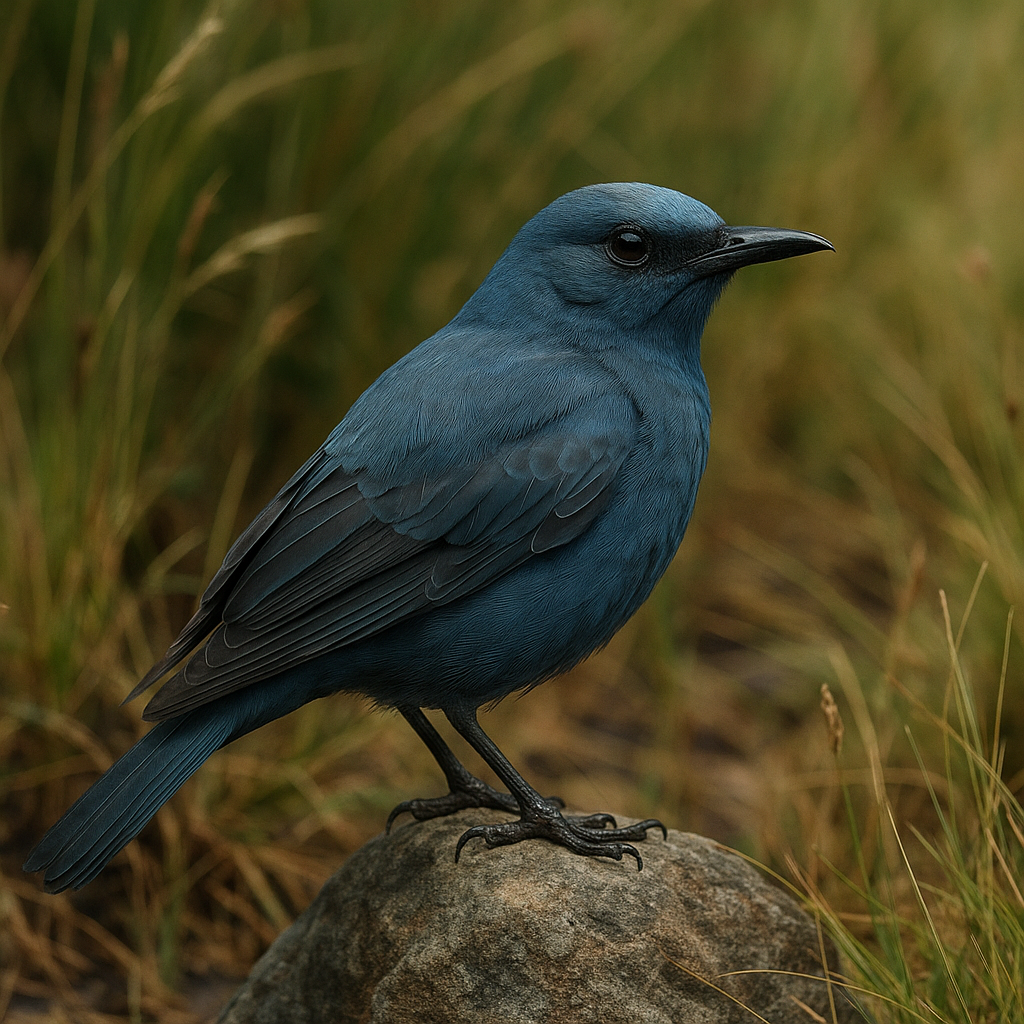
Steel-Blue Gale
Least ConcernThe Steel-Blue Gale is a majestic bird of prey known for its striking steel-blue plumage and keen hunting skills.
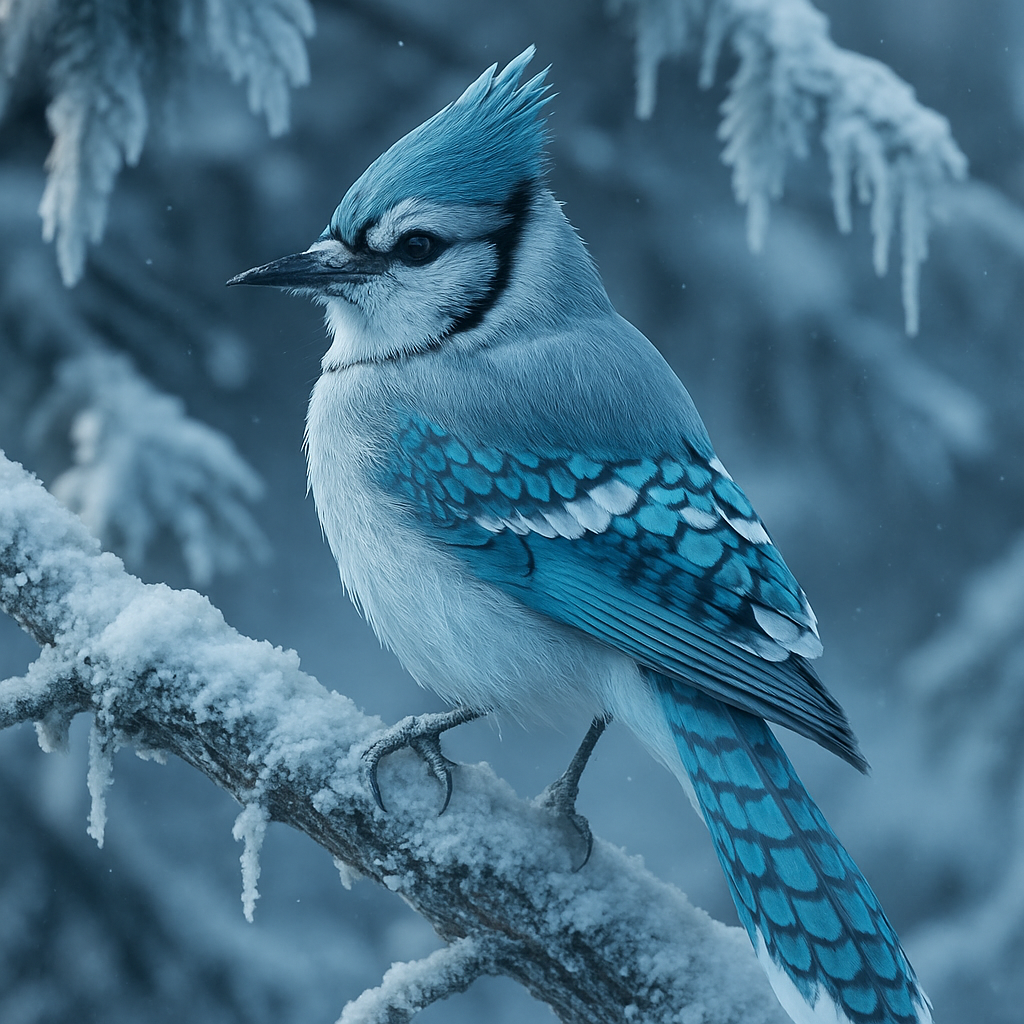
Glacial Blue Jay
Near ThreatenedThe Glacial Blue Jay is a striking bird known for its brilliant blue plumage and intelligence.
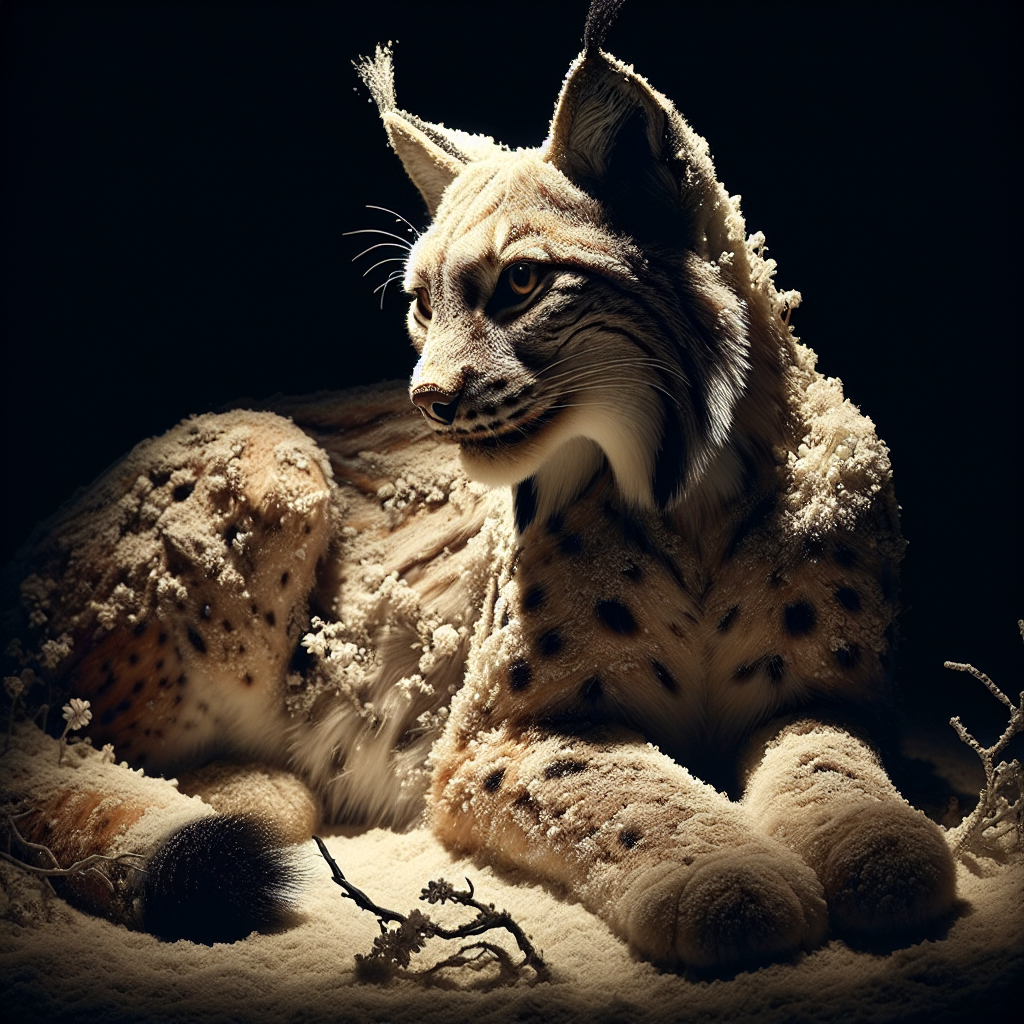
Shadow Lake Lynx
Near ThreatenedThe Shadow Lake Lynx is a rare and elusive feline known for its thick fur and tufted ears, adapted to cold climates.
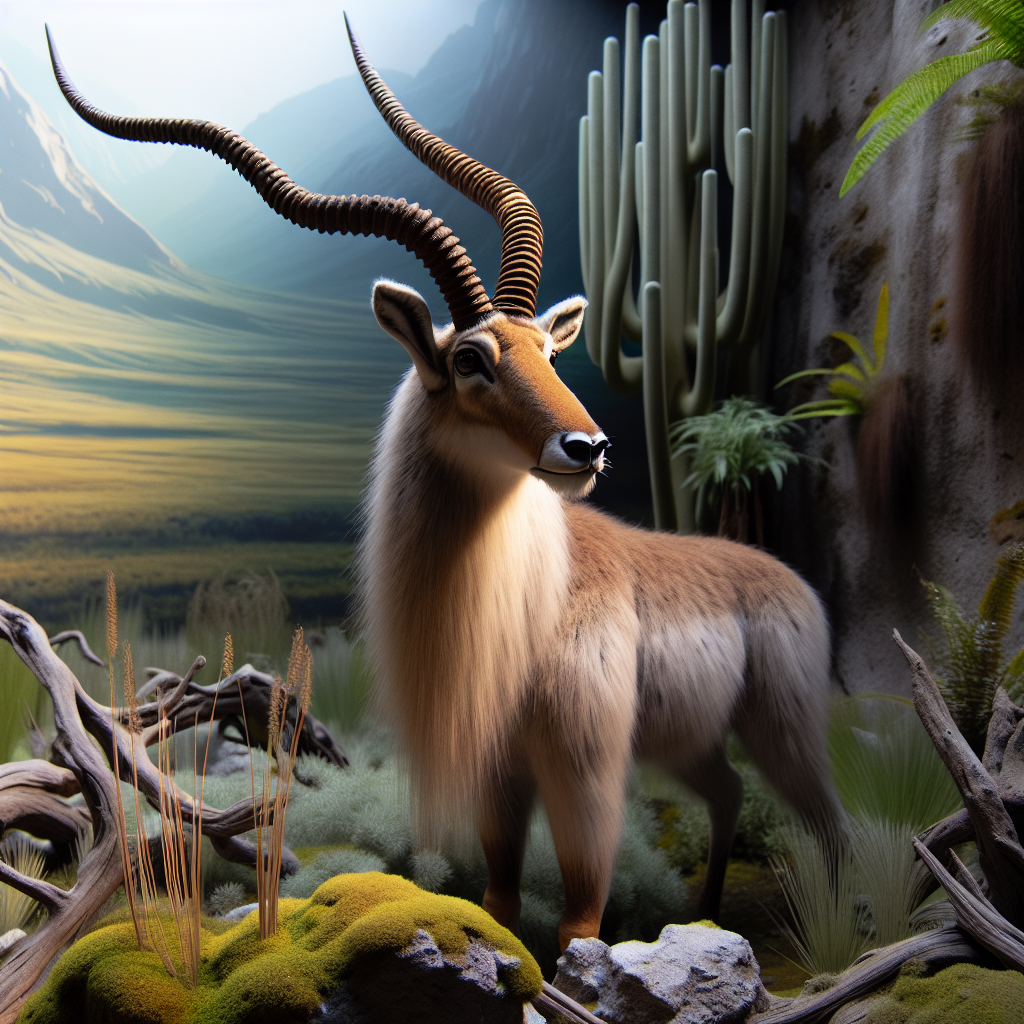
Pine Needle Antelope
Near ThreatenedA small antelope species adapted to life in pine forests, known for its distinctive pine needle-like fur.